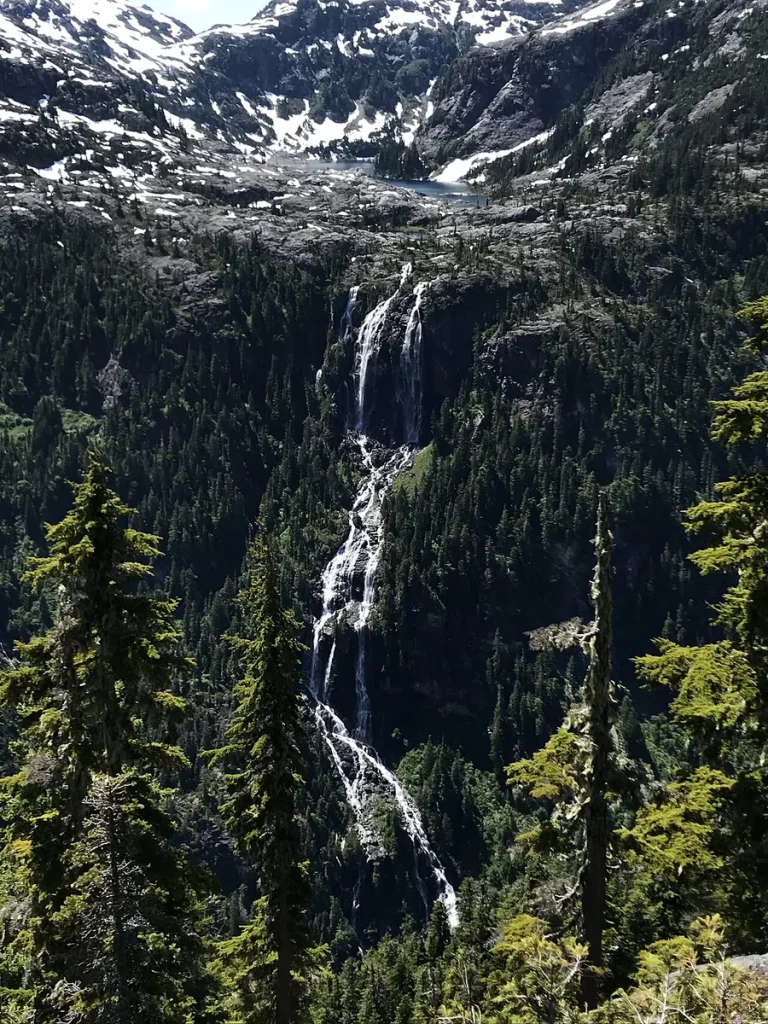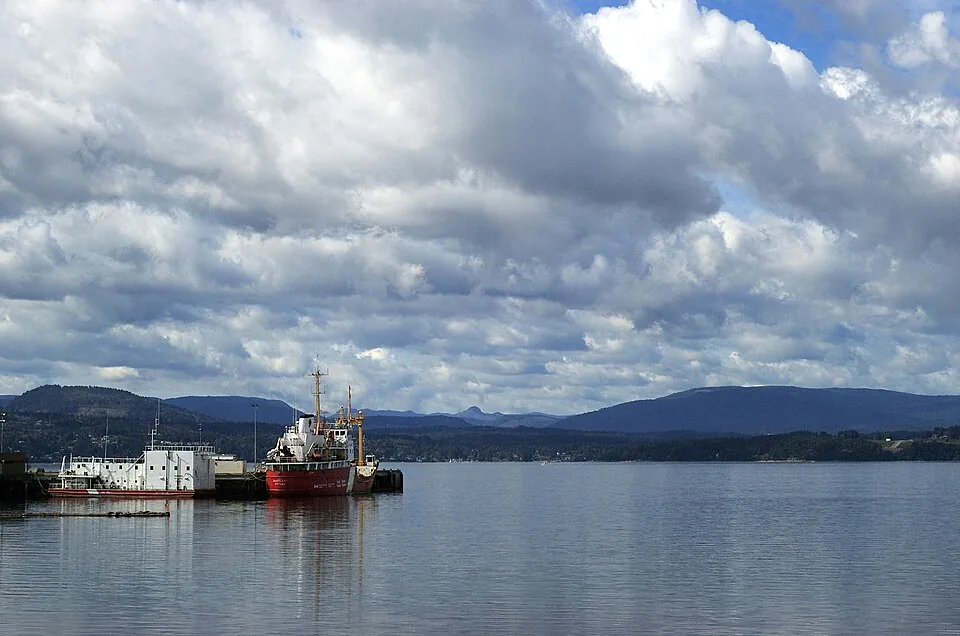
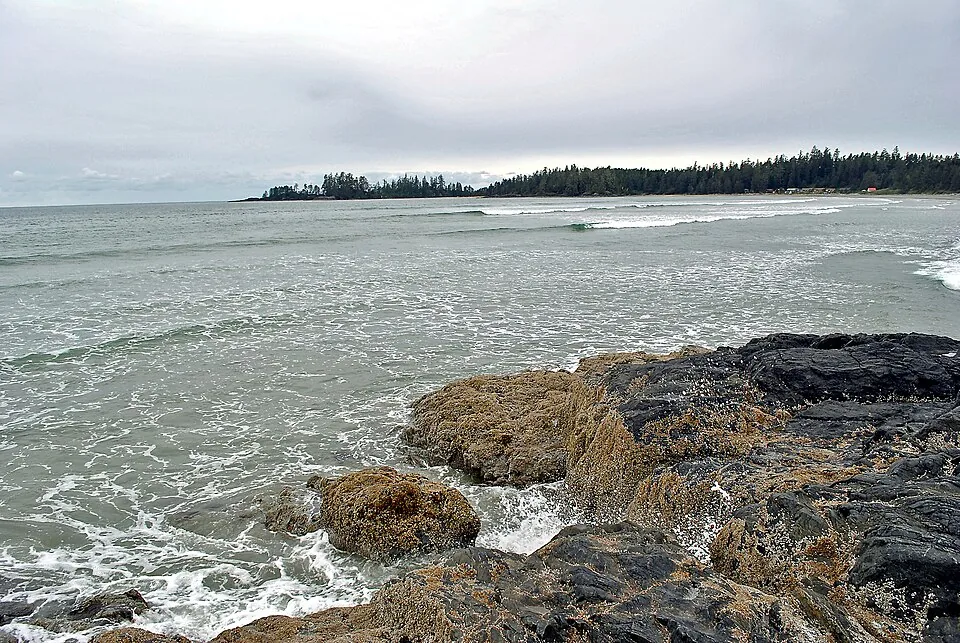
The Pacific side of Vancouver Island is shaped by exposure. Surf, wind, fog, rain, driftwood, tides, and changing light are not inconveniences around the scenery; they are part of the place.
Check conditions at the right scale
A general forecast for Vancouver Island is not enough. Use the nearest official weather, marine, park, or emergency source for the beach, trail, and time you intend to visit.

Victoria Half-Day Whale Watching Adventure with Free Photos
Hop aboard Salish Sea Eclipse – a high-speed, luxury, custom-built catamaran. This 95 passenger catamaran was engineered and built in Canada with th...

Victoria Guided Food and History Tour
This award-winning, owner-operated 2-hour tour begins at the Phillips Brewing Tasting Room (2000 Government St) and...

Victoria Whale and Wildlife Cruise
Come and meet the locals—the flippered, furred and feathered kind—on this guided 3.5-hour or more whale watching...

Victoria Zodiac Boat Whale Watching Adventure
Join us as we head out in search of marine wildlife in the waters of British Columbia on this 3-hour whale-watching...
- Know the tide window when a route depends on shoreline access.
- Keep distance from logs in surf and unstable edges.
- Expect wind and temperature changes near open water.
- Follow closures, advisories, and posted wildlife guidance.
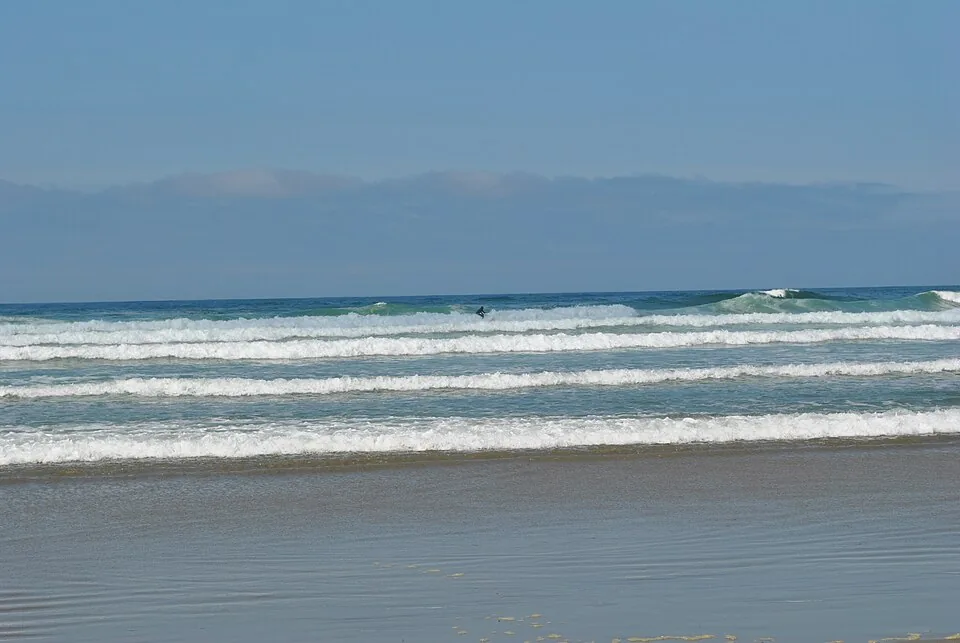
Move from shore to forest
Many west-coast experiences depend on the relationship between open water and temperate rainforest. Boardwalks and trails can be wet, roots can be slick, and fragile areas deserve the same attention as dramatic beaches.
Access is not entitlement

Whistler Tour from Vancouver + Sea to Sky Gondola + Shannon Falls
Experience one of British Columbia's most scenic drives aboard a modern executive motorcoach as you travel the spectacular Sea to Sky Highway. Relax i...

Victoria Whale Watch Tour
Encounter majestic wildlife of the Salish Sea onboard our Ocean Cruiser departing from downtown Victoria's scenic in...

Hip & Hidden Chinatown + Old Town Food Tour Victoria
This small-group culinary experience explores Canada’s oldest Chinatown and the atmospheric streets of Old Town th...

Victoria & Butchart Gardens Tour with Ferry from Vancouver
Explore the best of Victoria on this full-day guided tour from Vancouver! Travel in comfort through the city, then...
Respect private property, community rules, permits, cultural protocols, and wildlife buffers. Indigenous-owned experiences and cultural sites should be approached through the information and invitations provided by the people responsible for them.